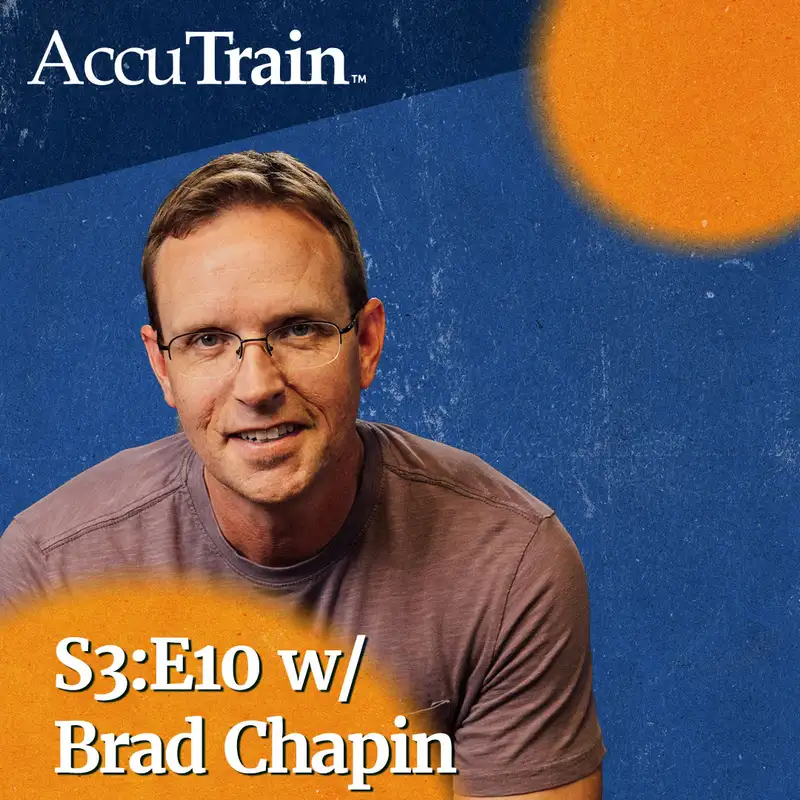
In this episode of the Innovative Schools Podcast, we sit down with Brad Chapin to explore the power of self-regulation—for both educators and students. Brad breaks down how stress impacts the brain and body, why many challenging behaviors are actually skill deficits, and how teachers can intentionally help students build healthier responses to emotions and adversity. From “lizard brain” moments to practical classroom strategies, this conversation is packed with insights educators can apply immediately.
🔑 Key Takeaways
✔️ Self-regulation is a skill set—not a personality trait
✔️ Self-regulation is a skill set—not a personality trait
✔️ Every student and educator carries an invisible “backpack” of stress and experiences
✔️ Dysregulation is a normal human response to challenge
✔️ Awareness is the first step toward regulation
✔️ Students need explicit teaching and practice around emotional skills
✔️ Healthy regulation must be practiced intentionally, not assumed naturally
💬 Memorable Quotes
🗣️ “The problem is not the backpack—it’s how we carry it.”
🗣️ “You can’t regulate something if you don’t even know it’s happening.”
🗣️ “Self-regulation is either healthy or unhealthy, effective or ineffective.”
🗣️ “The first step in self-regulation is self-awareness.”
🗣️ “You’re fighting against biology when stress takes over.”
🗣️ “Hope plus skills equals growth.”
🧠 Strategies You’ll Learn
- Ways to identify physical warning signs of dysregulation
- How to use calming techniques like box breathing intentionally
- Steps to help students recognize emotions before they escalate
- Techniques to teach self-regulation the same way you teach academic skills
- How to create predictable classroom routines that increase emotional safety
- Suggestions to shift from punishment to skill-building when addressing behavior
- Tips to help students separate controllable and uncontrollable stressors
➕ Additional Practices
- Create a “body map” activity where students identify where stress shows up physically
- Practice calming routines as a class before stressful moments occur
- Normalize conversations about emotions and stress in the classroom
- Build opportunities for reflection after emotionally challenging moments
- Use predictable structures and routines to support emotional safety
- Encourage students to create personal regulation plans and calming strategies
- Model healthy self-regulation openly as an educator
📚 Resources and Links
🔗 Brad Chapin’s website: http://www.selfregulationstation.com/about-brad/
🔗 Brad Chapin’s website: http://www.selfregulationstation.com/about-brad/
🔗 Brad Chapin’s Books: https://youthlight.com/Brad-Chapin
🔗 Innovative Schools Summit: https://innovativeschoolssummit.com/
❤️ Love This Episode?
✅ Share it with a fellow educator!
⭐ Rate & Review to help more teachers find this show
⭐ Rate & Review to help more teachers find this show
💬 Join the Conversation on social media or in your next staff meeting!